How a Contractor Management System Improves Compliance

How a Contractor Management System Improves Compliance
Managing contractors involves more than assigning jobs and tracking completion. Businesses must also ensure contractors meet safety requirements, maintain valid documentation, follow company policies, and comply with applicable regulations. A contractor management system provides a centralised digital platform to manage these requirements while improving visibility and accountability.
For organisations managing multiple contractors, spreadsheets, emails, paper forms, and disconnected systems can make compliance difficult to monitor. A modern contractor management solution helps automate key processes, reduce administrative work, and create a more consistent approach to contractor compliance.
What Is a Contractor Management System?
A contractor management system is software designed to manage the complete contractor lifecycle, from onboarding and prequalification to compliance monitoring, work assignments, documentation, and offboarding.
Instead of storing contractor information across multiple locations, businesses can maintain a centralised record containing information such as:
Contractor profiles and company details
Insurance and licence documentation
Safety certificates and qualifications
Training and induction records
Risk assessments and compliance documents
Contract and expiry dates
Work history and performance information
Site access and approval status
This creates a structured approach to contractor management and makes important compliance information easier to access.
How a Contractor Management System Improves Compliance
1. Centralises Contractor Documentation
One of the biggest compliance challenges is keeping contractor records organised and up to date. A contractor management system provides a central location for storing certificates, licences, insurance documents, qualifications, and other required records.
Centralised documentation reduces the risk of relying on outdated files or searching through emails and spreadsheets when information is needed for an audit or compliance review.
2. Tracks Expiring Documents and Certifications
Contractor credentials and compliance documents often have expiry dates. Missing an expired licence, insurance certificate, or safety certification can create unnecessary operational and compliance risks.
Automated reminders and expiry tracking help teams identify upcoming renewals before documents become invalid. This allows responsible staff to follow up with contractors and maintain current records.
3. Standardises Contractor Onboarding
A consistent onboarding process helps ensure every contractor completes the required compliance steps before starting work.
With contractor management software, organisations can create structured workflows covering documentation, inductions, training, approvals, and required checks. This reduces the likelihood of important steps being missed during contractor onboarding.
4. Improves Compliance Visibility
Manual systems can make it difficult for managers to understand the current compliance status of their contractor workforce.
A digital contractor management platform can provide dashboards, status indicators, reports, and searchable records. Managers can quickly identify contractors with missing documentation, expired credentials, incomplete training, or pending approvals.
Better visibility supports faster corrective action and more informed operational decisions.
5. Creates an Auditable Record
Compliance requires more than collecting documents. Businesses may also need to demonstrate that processes were followed.
A contractor management system can maintain records of contractor approvals, document submissions, training, inductions, reviews, and other activities. This creates a more structured audit trail and can make compliance reviews easier to manage.
6. Supports Risk-Based Contractor Management
Not every contractor presents the same level of operational risk. A contractor performing high-risk work may require additional qualifications, documentation, training, or approval compared with a contractor performing routine services.
Contractor management software can support risk-based workflows by helping organisations identify requirements based on contractor type, work activity, location, or risk category.
Contractor Compliance Management Without the Spreadsheet Overload
Spreadsheets can be useful for basic record keeping, but they become increasingly difficult to manage as contractor numbers and compliance requirements grow.
A SaaS-based contractor management system can replace fragmented processes with a centralised workflow. Instead of manually checking multiple spreadsheets, teams can manage contractor records, compliance requirements, document expiry dates, approvals, and reporting through one platform.
This can reduce repetitive administration while providing stakeholders with better access to current information.
How Asset Konnect Supports Contractor Management
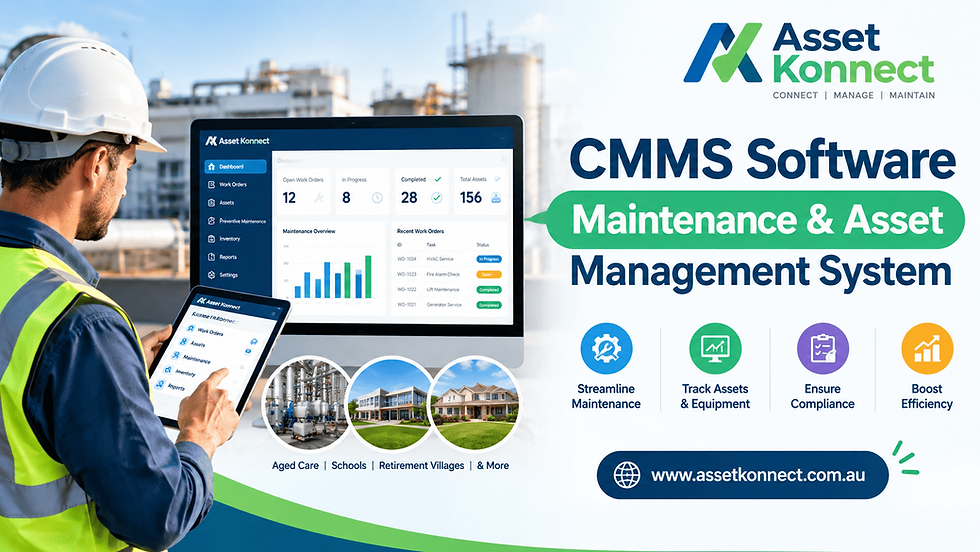
Asset Konnect provides SaaS-based solutions designed to help organisations manage assets, maintenance, contractors, and operational processes more efficiently.
With a centralised approach to contractor information, businesses can improve visibility across contractor activities and compliance-related records. By connecting contractor management with broader maintenance and asset management workflows, organisations can create a more integrated operational environment.
For businesses managing facilities, infrastructure, schools, aged care environments, or other asset-intensive operations, connecting contractor activities with maintenance processes can help teams coordinate work more effectively.
The broader Asset Konnect platform can support organisations looking to move away from disconnected spreadsheets and manual workflows toward more structured digital asset and maintenance management.
Key Benefits of Contractor Management Software
Implementing contractor management software can provide several operational benefits:
Centralised contractor information
Improved compliance visibility
Automated document expiry monitoring
More consistent contractor onboarding
Better record keeping and audit readiness
Reduced manual administration
Improved contractor accountability
Easier reporting and compliance tracking
Better integration with maintenance workflows
More scalable contractor administration
The exact benefits depend on an organisation's workflows, contractor volume, compliance requirements, and software configuration.
What to Look for in a Contractor Management System
When evaluating contractor management software, businesses should consider features that align with their operational and compliance requirements.
Important capabilities may include:
Contractor onboarding: Structured workflows for registering and approving contractors.
Document management: Centralised storage for licences, certificates, insurance, and other compliance records.
Expiry alerts: Automated notifications for documents and credentials approaching expiry.
Compliance tracking: Clear visibility into contractor compliance status.
Reporting: Searchable records and reports for management reviews and audits.
Workflow automation: Automated tasks, reminders, approvals, and follow-ups.
Integration: Ability to connect contractor activities with maintenance, asset, and facilities management processes.
Scalability: Support for growing contractor networks and increasingly complex operational requirements.
Why Digital Contractor Compliance Matters
Contractor compliance is an ongoing process rather than a one-time onboarding task. Licences expire, insurance policies change, training requirements evolve, and contractors may undertake different types of work over time.
A digital contractor management system gives organisations a structured way to continuously monitor these requirements. By combining centralised records, automated reminders, workflows, and reporting, businesses can make compliance management more proactive and less dependent on manual administration.
For organisations seeking a broader SaaS platform for asset and maintenance operations, Asset Konnect provides a way to bring contractor-related processes into a more connected digital environment.
Frequently Asked Questions
What is a contractor management system?
A contractor management system is software that helps businesses manage contractor onboarding, documentation, compliance requirements, training, approvals, work information, and ongoing contractor records from a centralised platform.
How does a contractor management system improve compliance?
It improves compliance by centralising contractor records, monitoring document expiry dates, standardising onboarding processes, providing visibility into compliance status, and maintaining structured records for reporting and audits.
Can contractor management software track document expiry dates?
Yes. Many contractor management platforms provide document expiry tracking and automated reminders to help teams identify licences, certificates, insurance policies, and other records that require renewal.
Why is contractor onboarding important for compliance?
A standardised onboarding process helps ensure contractors provide required documentation, complete relevant inductions or training, and meet organisational requirements before beginning work.
Can contractor management software integrate with maintenance management?
Depending on the platform, contractor management functionality can be connected with maintenance and asset management workflows. This can help organisations coordinate contractors with work orders, maintenance activities, assets, and facilities operations.
Is a contractor management system suitable for Australian businesses?
Yes. Australian organisations across facilities management, infrastructure, education, aged care, property, and other industries can use contractor management software to organise contractor information and support their internal compliance processes. Specific legal and regulatory requirements depend on the industry, work type, location, and applicable regulations.
Final Thoughts
Effective contractor compliance requires accurate records, consistent processes, timely renewals, and ongoing visibility. A contractor management system can help organisations replace fragmented manual processes with a centralised digital approach.
For organisations looking to connect contractor management with asset maintenance and operational workflows, Asset Konnect offers a SaaS-focused platform designed to support more connected asset and maintenance management. By digitising contractor-related processes, businesses can improve visibility, reduce administrative effort, and build a more structured approach to ongoing compliance.
Comments