Asset Management Software Australia for Better Asset Control

Managing physical assets across multiple locations can become difficult when businesses rely on spreadsheets, disconnected systems, or manual processes. Asset Management Software Australia gives organisations a centralised way to track assets, monitor maintenance, manage asset information, and improve operational visibility.
For Australian organisations managing equipment, infrastructure, facilities, vehicles, or other valuable assets, a modern platform such as Asset Konnect can help bring asset information and maintenance workflows together. Instead of simply recording where an asset is located, businesses can use a connected system to manage the asset throughout its operational lifecycle.
What Is Asset Management Software?
Asset management software is a digital platform designed to help organisations manage assets from acquisition through maintenance, utilisation, and eventual replacement or disposal.
A SaaS-based asset management platform can centralise important information such as:
Asset details and identification
Asset location and ownership
Maintenance schedules
Service history
Work orders and maintenance tasks
Asset condition
Documents and records
Contractor information
Compliance-related activities
Lifecycle costs
This creates a single source of information for teams responsible for operations, maintenance, facilities, and asset performance.
Asset Management Software Australia for Better Asset Control
Asset Management Software Australia is particularly useful for organisations that need greater visibility across distributed assets and operational sites. Instead of searching through spreadsheets or separate systems, teams can access relevant asset information through a centralised platform.
With Asset Konnect, businesses can structure their asset management processes around connected workflows. This can support better asset tracking, preventive maintenance planning, service management, and operational decision-making.
1. Centralised Asset Tracking
Knowing what assets an organisation owns, where they are located, and their current status is fundamental to effective asset management.
A centralised asset register can help teams quickly access asset information and reduce dependence on fragmented records.
2. Preventive Maintenance Management
Reactive maintenance can result in unexpected downtime and higher operational costs. Asset management software can help organisations schedule preventive maintenance based on asset requirements and planned service intervals.
Maintenance teams can track upcoming tasks, completed work, service history, and outstanding maintenance activities from one system.
3. Improved Asset Lifecycle Management
Asset management does not stop after purchasing an asset. Organisations need to understand how assets perform throughout their lifecycle.
Asset Konnect can support a lifecycle-focused approach by connecting asset information with maintenance and operational activities. This gives teams better visibility when reviewing asset condition, maintenance history, and future replacement requirements.
4. Better Maintenance Visibility
A connected maintenance workflow can make it easier for teams to monitor work orders and maintenance activities.
Instead of relying on emails, spreadsheets, and manual follow-ups, organisations can create more structured processes for reporting issues, assigning tasks, and tracking completion.
5. Data-Driven Asset Decisions
Accurate asset data can support better operational planning. Managers can analyse maintenance history, asset performance, costs, and recurring issues to identify areas that may require attention.
This can contribute to more informed decisions around maintenance priorities, asset utilisation, upgrades, and replacement planning.
Key Features to Look for in Asset Management Software
When evaluating an asset management platform in Australia, businesses should consider whether it supports their operational requirements.
Important capabilities may include:
Asset register: Maintain structured records for physical assets.
Asset tracking: Monitor asset locations, status, and ownership.
Preventive maintenance: Schedule recurring maintenance activities.
Work order management: Assign, monitor, and close maintenance tasks.
Asset lifecycle management: Track assets throughout their useful life.
Maintenance history: Maintain records of completed services and repairs.
Reporting and analytics: Turn operational data into useful insights.
Document management: Keep relevant asset documentation accessible.
Contractor management: Coordinate external service providers and maintenance work.
Cloud-based access: Give authorised teams access to information across locations.
The right combination of features depends on the organisation's asset portfolio, industry, workforce, and operational complexity.
Why Australian Businesses Are Moving Toward SaaS Asset Management
Traditional asset management processes can become increasingly difficult to maintain as asset portfolios grow. SaaS solutions provide a more connected approach by allowing organisations to manage asset and maintenance information through a centralised online platform.
For businesses operating across multiple facilities or locations, this can help create greater consistency in asset records and maintenance workflows.
A SaaS asset management approach can also support scalability. Organisations can build structured processes as their asset portfolios, teams, and operational requirements change.
Asset Konnect: Connecting Asset Management and Maintenance
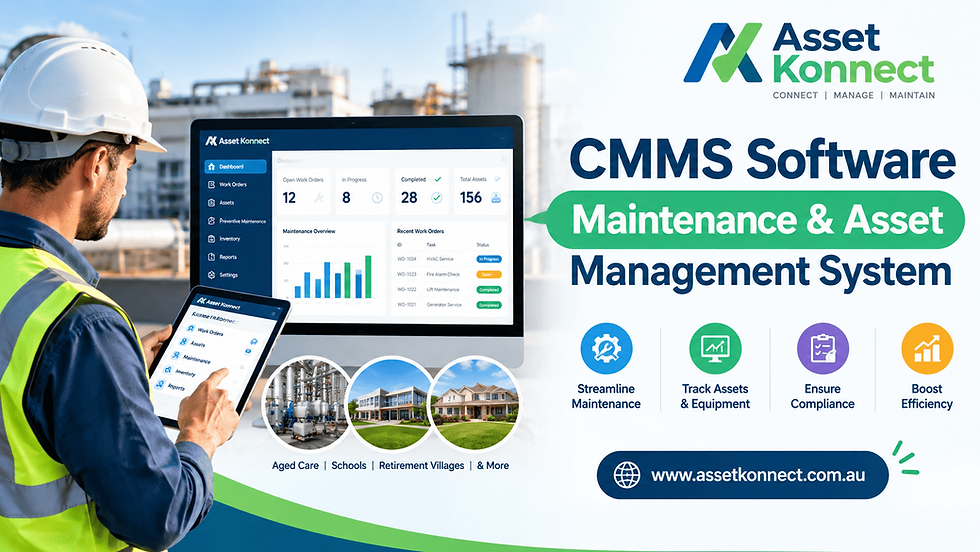
Asset Konnect is designed as a SaaS platform for organisations looking to bring asset management and maintenance processes into a connected digital environment.
Rather than treating asset records and maintenance activities as separate processes, Asset Konnect focuses on connecting operational information around assets.
This approach can be valuable for sectors such as:
Facilities management
Education
Aged care
Infrastructure
Property management
Commercial operations
Asset-intensive organisations
By bringing asset information, maintenance workflows, and operational activities together, organisations can establish a more structured approach to asset performance and maintenance management.
How to Choose the Right Asset Management Platform
Before implementing an asset management solution, businesses should assess their current processes and identify operational gaps.
Consider questions such as:
How are assets currently recorded and tracked?
Can employees quickly access asset information?
How are preventive maintenance tasks scheduled?
Is maintenance history easy to retrieve?
Can managers monitor outstanding work orders?
Are contractors managed through a structured workflow?
Can the system scale as asset numbers increase?
Can management generate meaningful reports from asset data?
Answering these questions can help organisations determine which capabilities are most important when selecting an asset management solution.
Frequently Asked Questions
What is Asset Management Software Australia?
Asset Management Software Australia refers to digital asset management platforms used by Australian organisations to track, maintain, monitor, and manage physical assets throughout their lifecycle.
How does asset management software improve asset control?
It provides a centralised system for asset records, locations, maintenance history, work orders, documents, and other operational information, helping teams maintain better visibility and control.
Can Asset Konnect support preventive maintenance?
Yes. Asset Konnect is positioned as a SaaS platform that connects asset information with maintenance workflows, helping organisations structure preventive maintenance activities and track ongoing work.
Is asset management software suitable for multiple locations?
Yes. Cloud-based asset management platforms can be particularly useful for organisations managing assets across multiple facilities, sites, or operational locations.
What is the difference between asset management and maintenance management?
Asset management focuses on managing assets throughout their lifecycle, while maintenance management focuses more specifically on maintaining asset condition, scheduling work, managing repairs, and tracking maintenance activities. Modern SaaS platforms can connect both functions.
Who can benefit from Asset Konnect?
Organisations with significant physical assets and ongoing maintenance requirements—including facilities, education, aged care, infrastructure, and other asset-intensive operations—can benefit from a connected asset management approach.
Conclusion
Effective asset control requires more than maintaining a list of equipment. Organisations need visibility into where assets are, how they are performing, when they require maintenance, and how their lifecycle is progressing.
For Australian businesses, Asset Management Software Australia can provide the centralised infrastructure needed to connect asset tracking, preventive maintenance, work orders, and lifecycle information. With its SaaS-focused approach, Asset Konnect helps organisations move toward a more connected and structured way of managing assets and maintenance operations.
Comments